what are you looking for?

SF471 metatarsal protection safety boots feature a split leather upper, external protective instep guard, 200J steel toe cap, steel penetration-resistant midsole and direct-injected PU/Rubber outsole. EN ISO 20345:2022+A1:2024 S3 SR FO. Developed for heavy-industry and engineering footwear ranges, with OEM and ODM options for international B2B buyers.
Upper :
Split leatherToecap/Toe :
SteelLining :
MeshInsole/Inlay Sole/Footbed :
EVAMidsole/Insert Plate :
SteelOutsole :
PU/RubberSole Construction Technique :
InjectionStandards :
EN ISO 20345:2022+A1:2024 S3 SR FOSize Range :
EU 36-48 UK 3-13Product Reference/Article No./Item No. :
SF471SF471 is an industrial safety boot featuring an external metatarsal protective guard, steel toe cap and steel penetration-resistant midsole. Designed for demanding working environments, it combines a split leather upper with a direct-injected PU/Rubber outsole and additional protective coverage over the instep area.
The external guard distinguishes SF471 from conventional steel toe work boots. This design makes the model relevant to safety footwear importers, industrial PPE distributors and private-label brands sourcing specialized protective footwear for heavy-industry applications.
Metatarsal protection is intended to address impact hazards affecting the upper part of the foot, particularly the area between the toes and ankle. A conventional steel toe cap protects the toe region but does not, by itself, provide protection across the entire metatarsal area.
SF471 features an external protective guard positioned over the instep. This additional structure is intended to provide coverage in an area that is not normally protected by the steel toe cap.
Under EN ISO 20345, certified metatarsal impact protection is identified by the additional marking M. Where this classification is required, buyers should specify the relevant metatarsal performance and supporting test documentation.
EN ISO 20345:2022+A1:2024 S3 SR FO
SF471 incorporates a steel toe cap and steel midsole. The S3 classification does not automatically establish whole-footwear waterproof protection, certified hot-contact resistance or resistance to all industrial chemicals.
Conventional steel toe safety boots are designed to protect the toe region against specified impact and compression hazards. However, certain industrial environments may also present risks to the upper part of the foot.
Metatarsal safety boot designs address this additional area through a dedicated protective structure. External guards provide visible coverage over the instep, while other footwear designs may use protective components integrated into the upper.
For PPE buyers, the important selection criteria include guard construction, required impact protection, footwear fit, protective toe cap, penetration-resistant midsole and the applicable certification. The presence of a guard should not be treated as equivalent to a certified M marking without the relevant test evidence.
SF471 uses a PU/Rubber outsole construction combining two materials with different functions. The polyurethane component provides an underfoot cushioning layer, while rubber forms the main ground-contact surface.
This construction offers an alternative to conventional PU/PU safety footwear and is relevant to industrial work boot designs where rubber outsole properties are an important purchasing consideration.
The performance of a finished outsole depends on the rubber compound, tread geometry, bonding process and applicable testing. Buyers requiring specific hot-contact, chemical or temperature-resistance properties should define those requirements separately.
Metatarsal protection safety boots may be considered for industrial environments where objects, tools or materials present potential impact hazards to the upper foot.
For welding and foundry applications, additional risks such as molten metal, sparks and high temperatures must be assessed separately. An external protective flap alone does not establish suitability for every welding or foundry environment.
For safety footwear distributors and industrial PPE importers, metatarsal boots are a specialized product category rather than a direct replacement for general-purpose safety footwear.
Purchasing decisions should consider the required protection classification, external or internal guard design, upper materials, outsole characteristics, fastening arrangement and end-user working conditions.
A product range combining conventional S3 safety boots and specialized metatarsal protection footwear can help distributors serve different industrial risk profiles. Model SF471 provides an external-guard construction option for buyers developing this category.
WORKWAY is a China-based OEM and ODM safety footwear manufacturing partner serving international importers, distributors, wholesalers and private-label PPE brands.
For SF471 and related industrial safety boot projects, buyers can discuss:
Changes to protective components, guard construction or outsole specifications may affect product performance and certification requirements. Customization is therefore evaluated according to technical feasibility and the intended market.
Explore our OEM & ODM safety footwear capabilities and quality management and certification approach.
For a conventional high-leg industrial boot without the same external metatarsal guard design, explore our SF423 high-leg steel toe safety boots, featuring a steel penetration-resistant midsole and direct-injected PU/PU outsole.
What is the difference between steel toe and metatarsal protection?
A steel toe cap protects the toe region against specified impact and compression hazards. Metatarsal protection addresses impact risks affecting the upper part of the foot. These are different protective functions.
What does M mean in EN ISO 20345 safety footwear?
M is the additional marking for metatarsal protection when footwear meets the applicable impact protection test requirements. The presence of an external guard alone does not automatically establish an M rating.
Does SF471 contain metal protective components?
Yes. SF471 uses a steel toe cap and steel penetration-resistant midsole. It is not a metal-free safety boot.
Are metatarsal safety boots suitable for welding?
Some metatarsal boot designs are used in metalworking and welding environments. However, footwear suitability depends on the complete protective specification and risks such as heat, sparks and molten metal exposure. Additional requirements must be assessed separately.
Can SF471 be customized for private-label PPE brands?
WORKWAY supports OEM and ODM safety footwear projects covering branding, materials, protective construction, packaging and market-specific technical requirements, subject to production feasibility and certification arrangements.
Contact WORKWAY with your target market, required protection classification, estimated order quantity and branding requirements to discuss SF471 metatarsal protection safety boots for your industrial footwear collection.
Product Show:

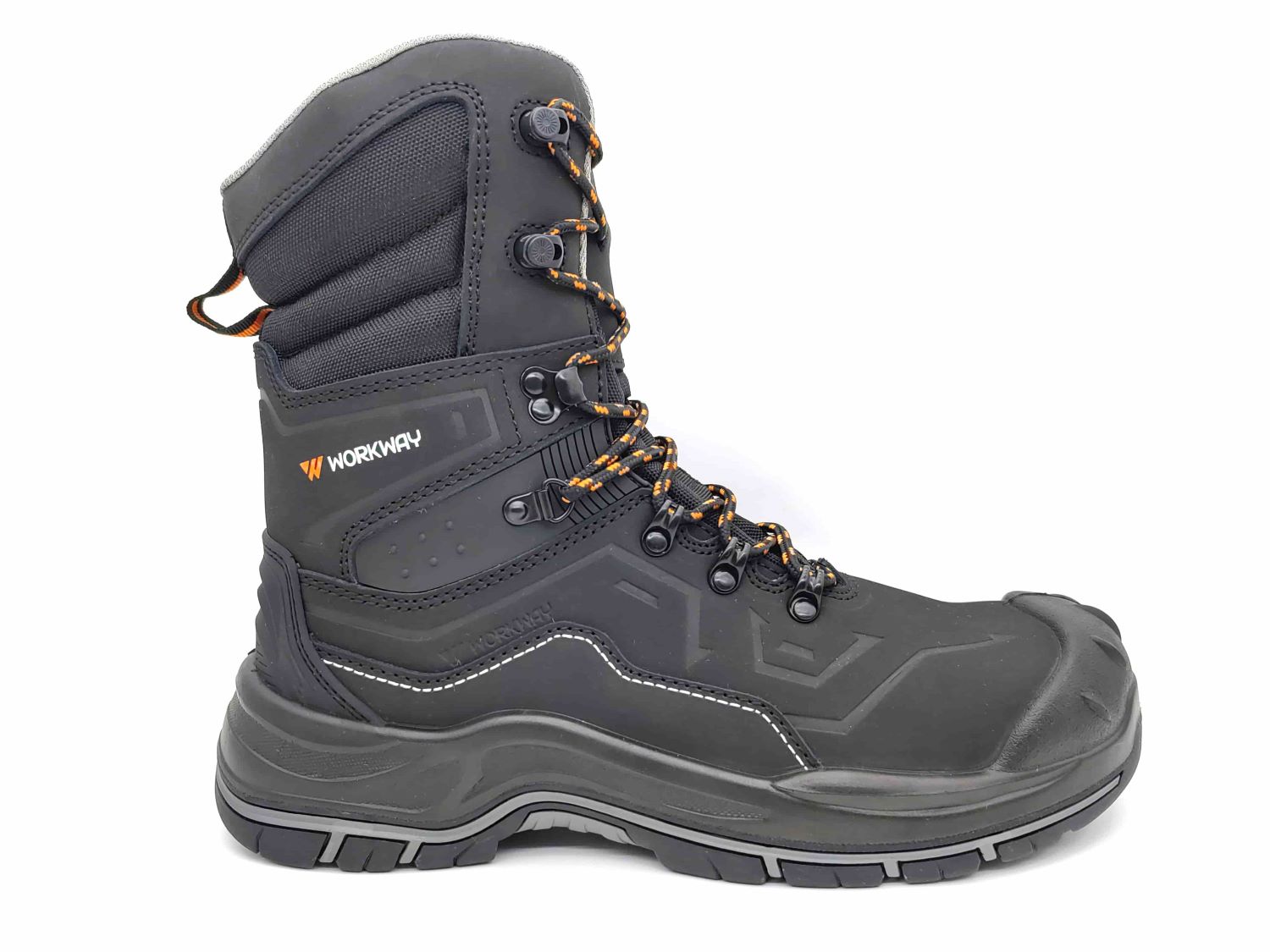
SF471 metatarsal protection safety boots feature a split leather upper, external protective instep guard, 200J steel toe cap, steel penetration-resistant midsole and direct-injected PU/Rubber outsole. EN ISO 20345:2022+A1:2024 S3 SR FO. Developed for heavy-industry and engineering footwear ranges, with OEM and ODM options for international B2B buyers.
Learn More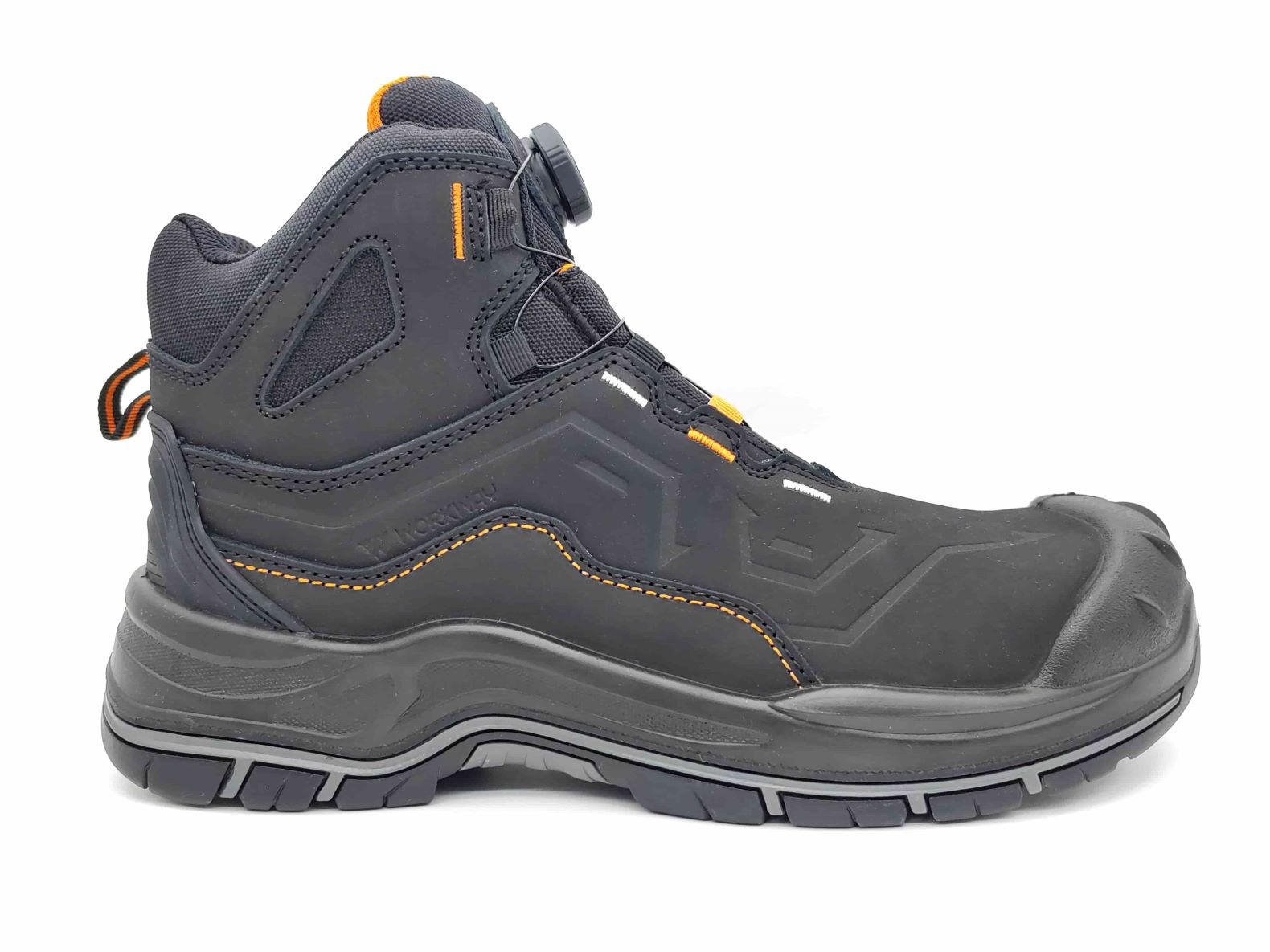
SF471 metatarsal protection safety boots feature a split leather upper, external protective instep guard, 200J steel toe cap, steel penetration-resistant midsole and direct-injected PU/Rubber outsole. EN ISO 20345:2022+A1:2024 S3 SR FO. Developed for heavy-industry and engineering footwear ranges, with OEM and ODM options for international B2B buyers.
Learn More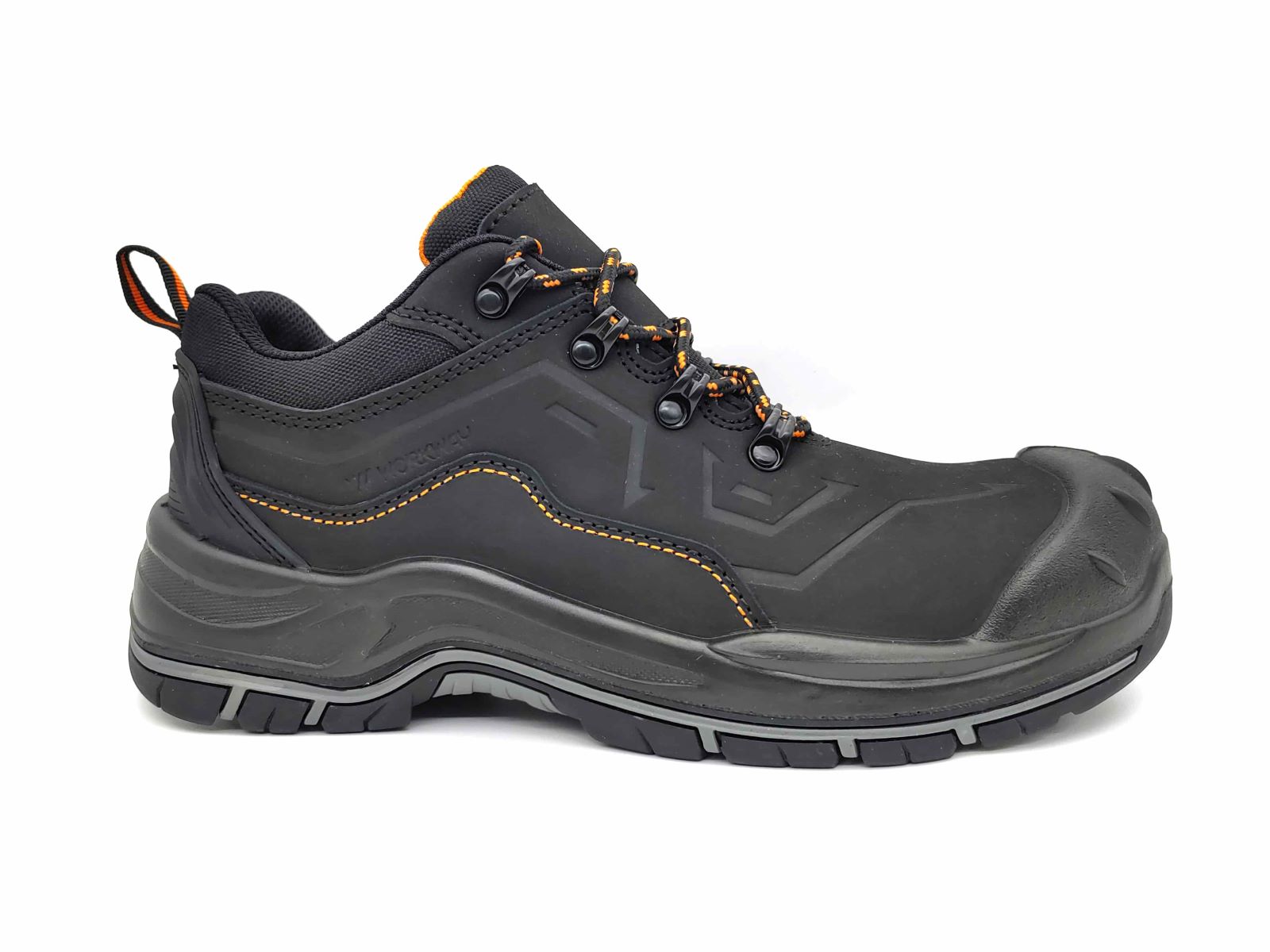
SF471 metatarsal protection safety boots feature a split leather upper, external protective instep guard, 200J steel toe cap, steel penetration-resistant midsole and direct-injected PU/Rubber outsole. EN ISO 20345:2022+A1:2024 S3 SR FO. Developed for heavy-industry and engineering footwear ranges, with OEM and ODM options for international B2B buyers.
Learn More
SF471 metatarsal protection safety boots feature a split leather upper, external protective instep guard, 200J steel toe cap, steel penetration-resistant midsole and direct-injected PU/Rubber outsole. EN ISO 20345:2022+A1:2024 S3 SR FO. Developed for heavy-industry and engineering footwear ranges, with OEM and ODM options for international B2B buyers.
Learn More
SF471 metatarsal protection safety boots feature a split leather upper, external protective instep guard, 200J steel toe cap, steel penetration-resistant midsole and direct-injected PU/Rubber outsole. EN ISO 20345:2022+A1:2024 S3 SR FO. Developed for heavy-industry and engineering footwear ranges, with OEM and ODM options for international B2B buyers.
Learn More
SF471 metatarsal protection safety boots feature a split leather upper, external protective instep guard, 200J steel toe cap, steel penetration-resistant midsole and direct-injected PU/Rubber outsole. EN ISO 20345:2022+A1:2024 S3 SR FO. Developed for heavy-industry and engineering footwear ranges, with OEM and ODM options for international B2B buyers.
Learn More
SF471 metatarsal protection safety boots feature a split leather upper, external protective instep guard, 200J steel toe cap, steel penetration-resistant midsole and direct-injected PU/Rubber outsole. EN ISO 20345:2022+A1:2024 S3 SR FO. Developed for heavy-industry and engineering footwear ranges, with OEM and ODM options for international B2B buyers.
Learn More
SF471 metatarsal protection safety boots feature a split leather upper, external protective instep guard, 200J steel toe cap, steel penetration-resistant midsole and direct-injected PU/Rubber outsole. EN ISO 20345:2022+A1:2024 S3 SR FO. Developed for heavy-industry and engineering footwear ranges, with OEM and ODM options for international B2B buyers.
Learn More
SF471 metatarsal protection safety boots feature a split leather upper, external protective instep guard, 200J steel toe cap, steel penetration-resistant midsole and direct-injected PU/Rubber outsole. EN ISO 20345:2022+A1:2024 S3 SR FO. Developed for heavy-industry and engineering footwear ranges, with OEM and ODM options for international B2B buyers.
Learn More
SF471 metatarsal protection safety boots feature a split leather upper, external protective instep guard, 200J steel toe cap, steel penetration-resistant midsole and direct-injected PU/Rubber outsole. EN ISO 20345:2022+A1:2024 S3 SR FO. Developed for heavy-industry and engineering footwear ranges, with OEM and ODM options for international B2B buyers.
Learn More
SF471 metatarsal protection safety boots feature a split leather upper, external protective instep guard, 200J steel toe cap, steel penetration-resistant midsole and direct-injected PU/Rubber outsole. EN ISO 20345:2022+A1:2024 S3 SR FO. Developed for heavy-industry and engineering footwear ranges, with OEM and ODM options for international B2B buyers.
Learn More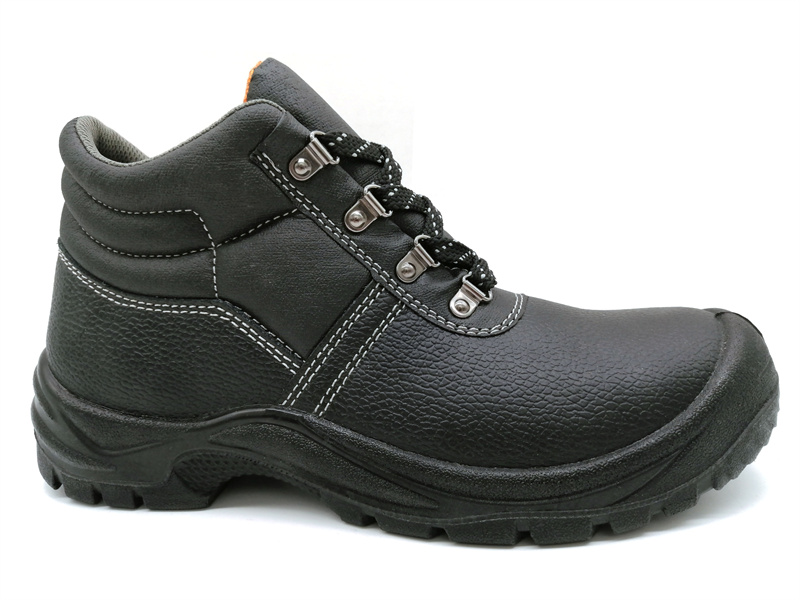
SF471 metatarsal protection safety boots feature a split leather upper, external protective instep guard, 200J steel toe cap, steel penetration-resistant midsole and direct-injected PU/Rubber outsole. EN ISO 20345:2022+A1:2024 S3 SR FO. Developed for heavy-industry and engineering footwear ranges, with OEM and ODM options for international B2B buyers.
Learn More
SF471 metatarsal protection safety boots feature a split leather upper, external protective instep guard, 200J steel toe cap, steel penetration-resistant midsole and direct-injected PU/Rubber outsole. EN ISO 20345:2022+A1:2024 S3 SR FO. Developed for heavy-industry and engineering footwear ranges, with OEM and ODM options for international B2B buyers.
Learn More 1504, Building B, Taidi Haixi Center, Hai Cang District, Xiamen, 361026, China.
 Jack
 Tel: +86-592-6511408
 Email: info@workwaysafety.com